
The Ultimate Guide to Safari Vehicle Hire in Kenya (2026 Edition)
Planning a safari in Kenya is an exhilarating experience, but the success of your adventure often comes down to one thing: the wheels beneath you. In 2026, with Kenya’s tourism at an all-time high and road conditions in parks like the Maasai Mara constantly changing, choosing the right transport isn’t just about comfort—it’s about access.
This guide breaks down everything you need to know about safari vehicle hire to ensure your Kenyan journey is seamless, safe, and spectacular.
Choosing Your Beast: Land Cruiser vs. Safari Van


| Feature | 4 x 4 Safari Land Cruiser | Safari Van |
|---|---|---|
|
Terrain Capability |
Exceptional; handles deep mud and rocky climbs. |
Best for well-maintained roads and dry seasons. |
|
Comfort |
Superior suspension (the “African Massage” is softer). |
Standard; can be a bit “bumpy” on rougher tracks. |
|
Viewing Angle |
High clearance gives a better view over tall grass. |
Lower vantage point |
|
Capacity |
Typically 6-7 window seats |
Typically 6-8 window seats. |
|
Estimated Cost (2026) |
$250 – $350 per day |
$150 – $200 per day |
Pro Tip: If you are visiting during the Great Migration (July–October) or hitting rugged parks like Tsavo West or Lake Turkana, the 4×4 Land Cruiser is non-negotiable.
Essential Features for a 2026 Safari Vehicle
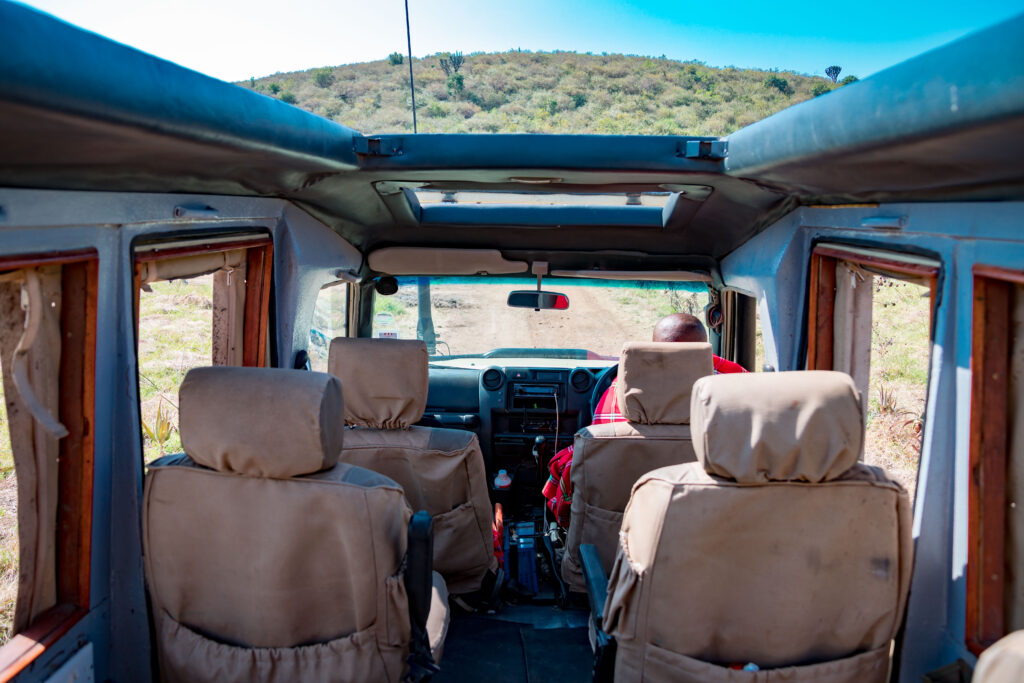
Don’t just rent a car; rent a mobile viewing deck. Ensure your vehicle includes:
- Custom Pop-up Roof: Essential for 360-degree wildlife photography.
- Onboard Charging: Look for vehicles with USB and 220V inverter ports to keep your cameras alive.
- Cooler Box/Fridge: A safari is better with a cold drink. Ensure your hire includes a powered fridge or a high-quality cooler.
- UHF Radio & GPS: For communication with other drivers (crucial for finding that elusive leopard!) and safety tracking.
- Dual Spare Tires: Punctures are a part of life in the bush. Never leave Nairobi with just one spare.
Understanding Costs & Regulations
In 2026, transparency is key. Your quote should clearly state what is included:
- Fuel: Usually “dry hire” (you pay for fuel) or “wet hire” (fuel included).
- Insurance: Ensure the vehicle has PSV (Public Service Vehicle) insurance and comprehensive cover.
- Driver Fees: If hiring a guide, check if their meals and accommodation are included in your daily rate.
- Park Entry for the Vehicle: Remember, vehicles pay their own entry fees into National Parks (distinct from your per-person fee).
The Driver-Guide Factor
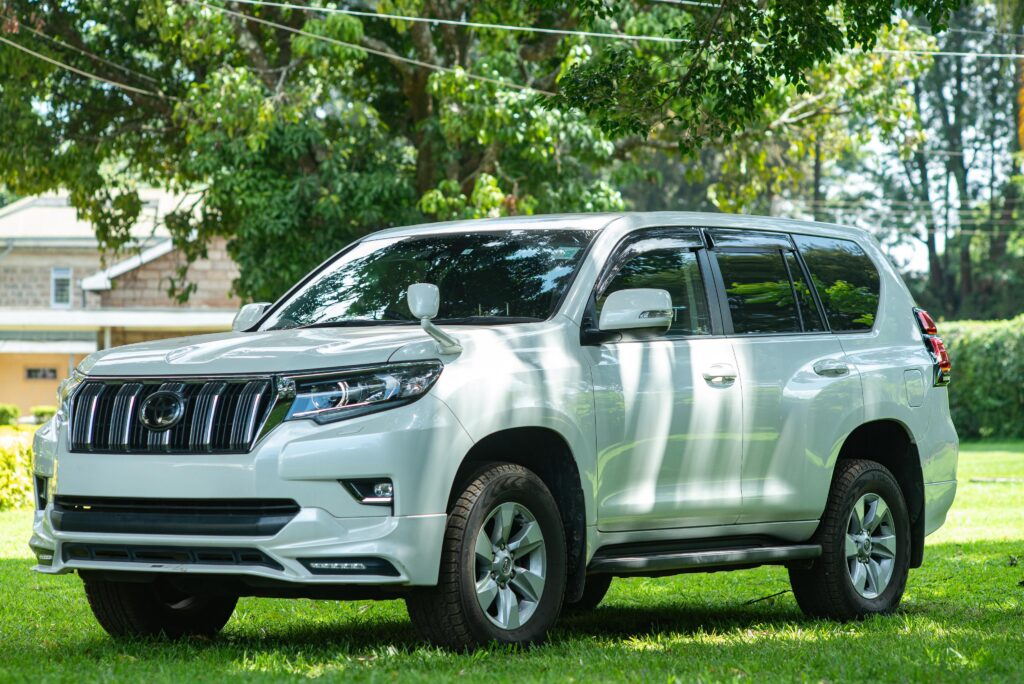
While self-drive is growing in popularity, hiring a professional driver-guide is the secret to a successful safari.
- Expert Eyes: They can spot a cheetah tail in tall grass from 200 meters away.
- Navigational Ease: National parks don’t have street signs.
- Safety: They understand animal behavior and know exactly how close you can safely get to a pride of lions.
Why Choose Vanvic Safari Transport?
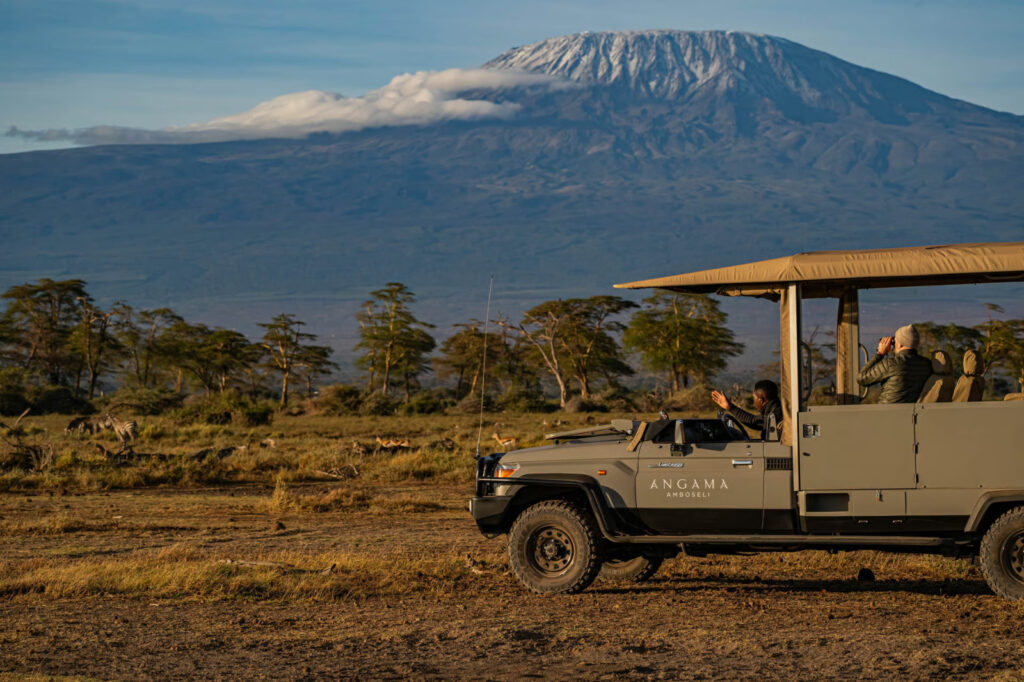
At Vanvic Safari Transport, we don’t just provide cars; we provide the backbone of your adventure. Our 2026 fleet is meticulously maintained, and our drivers are KATO-certified experts who know the land like the back of their hands.
Ready to book your 2026 adventure?
Don’t leave your dream trip to chance. Browse our fleet and get an instant quote today.

Save Adventure Time With Our Safari Transport

TRA License
Click Image to View Full License

© Copyright 2026 Web Design by Wanjutec Solutions