
One of the biggest mistakes travelers make when planning a safari in Kenya is trying to include too many destinations in a limited amount of time. While it may seem like visiting several national parks will give you a better safari experience, the reality is often the opposite. Many of Kenya’s parks and reserves are separated by long driving distances, sometimes exceeding four or five hours. Spending too much time on the road can be tiring and may significantly reduce the quality of your overall safari experience.
As a professional safari designer, my first recommendation is always to identify your interests before choosing your itinerary. Are you interested in seeing the Big Five, witnessing the Great Migration, birdwatching, photography, or enjoying cultural experiences?. Understanding what excites you most will help create a safari that is both enjoyable and deeply memorable. To help you plan, below is a quick-reference guide to Kenya’s top wildlife destinations, followed by a detailed breakdown of what makes each ecosystem unique.
Kenya's Top Safari Destinations at a Glance
| Destination | Best Known For | Vibe & Landscape | Ideal Traveler |
|---|---|---|---|
|
Masai Mara |
The Great Migration, Big Five, large predators |
Vast open savannah |
First-timers & photography buffs |
|
Amboseli |
Giant elephant herds, Mt. Kilimanjaro views |
Swamps & dusty plains |
Photographers & elephant lovers |
|
Samburu |
The “Special Five” (Gerenuk, Grevy’s Zebra) |
Arid, rugged northern frontier |
Travelers seeking low crowds & unique wildlife |
|
Ol Pejeta |
Black & Northern White Rhino conservation |
Private conservancy |
Eco-conscious travelers & families |
|
Lake Nakuru |
Rhinos, flamingos, Great Rift Valley views |
Alkaline lake & woodlands |
Short-trip travelers & birdwatchers |
|
Tsavo (East/West) |
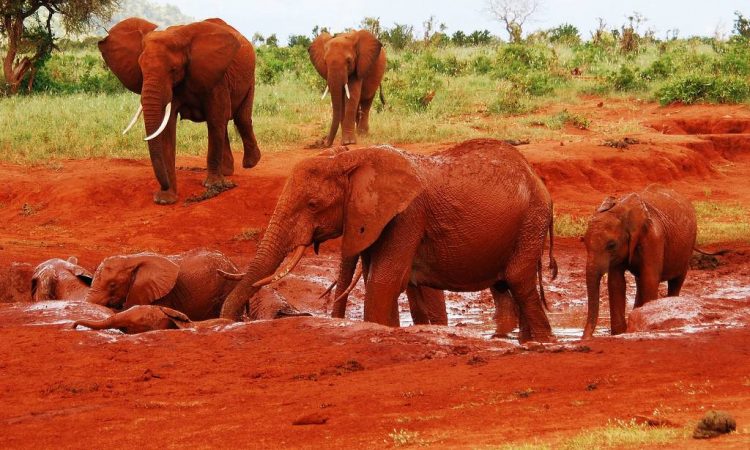
Red elephants, Mzima Springs, lava flows |
Wild, massive, untamed frontier |
Adventurers who want an off-the-beaten-track route |
Nairobi National Park – The World’s Only Wildlife Capital
Nairobi National Park is one of Kenya’s oldest and most iconic protected areas. Gazetted in 1946, it holds a special place in the country’s conservation history. Covering approximately 117 square kilometres, the park is uniquely located just a short distance from Nairobi’s city centre, making it the only national park in the world situated alongside a major capital city. The park also hosts the headquarters of the Kenya Wildlife Service (KWS).
- Why Visit: Perfect for travelers with limited time, offering an authentic wildlife experience without extensive travel. Visitors can encounter lions, leopards, cheetahs, buffaloes, giraffes, and a renowned black rhino conservation program.
- Best Time to Visit: A year-round destination with permanent wildlife residents, guaranteeing excellent viewing regardless of the season.
- Accessibility: Just 15 to 30 minutes from most areas in Nairobi. A 4×4 Safari Land Cruiser is recommended during rainy seasons, though safari vans also work well.
- Recommendation: If you only have a day in Nairobi, this park is a must-visit to photograph wildlife against a modern city skyline.
Lake Nakuru National Park – Kenya’s Rhino Sanctuary
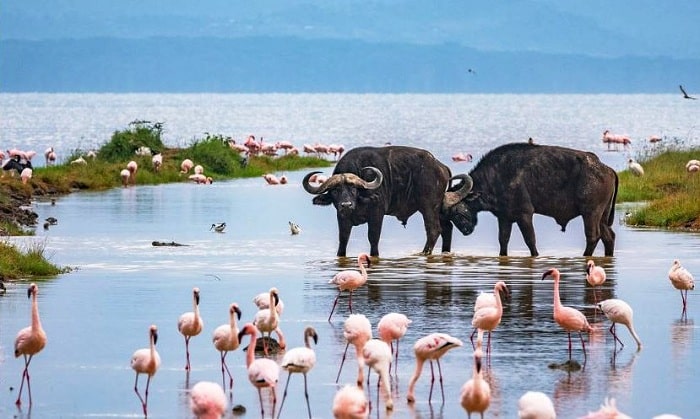
Established in 1961, Lake Nakuru National Park is a true conservation success story. Covering roughly 188 square kilometres, it surrounds the beautiful alkaline Lake Nakuru in the Great Rift Valley and is a top destination to observe both black and white rhinos in their natural habitat.
- Why Visit: It offers an incredible wildlife concentration in a compact area. Spot lions, leopards, buffaloes, Rothschild’s giraffes, hippos, and over 450 bird species. Flamingos also frequent the shorelines depending on water levels.
- Best Time to Visit: Dry seasons (June–October, January–March) are highly rewarding, while wetter months are fantastic for spotting migratory birds.
- Accessibility: A 2.5 to 3.5-hour drive (160 km) northwest of Nairobi. 4×4 Safari Land Cruisers provide comfort and excellent visibility.
- Recommendation: Combine Lake Nakuru with Nairobi National Park and the Masai Mara for an excellent, well-rounded safari showcasing diverse landscapes.
Ol Pejeta Conservancy – Premier Wildlife Conservation
Located between Mount Kenya and the Aberdare Ranges, this 360-square-kilometre private conservancy blends classic game viewing with pioneering conservation efforts. It hosts East Africa’s largest black rhino sanctuary and the world’s last northern white rhinos.
- Why Visit: Visitors can encounter the Big Five, cheetahs, hyenas, Grevy’s zebras, and reticulated giraffes, alongside exclusive conservation activities.
- Unique Experiences: Visit the Northern White Rhino enclosure, track lions, take night game drives, walk in the bush, or explore the Sweetwaters Chimpanzee Sanctuary.
- Best Time to Visit: Dry seasons provide the best viewing, but well-maintained roads ensure rewarding experiences year-round.
- Accessibility: A 4 to 5-hour drive (220 km) north of Nairobi. A rugged 4×4 Safari Land Cruiser is highly recommended for navigation and photography.
Amboseli National Park – The Land of Giants
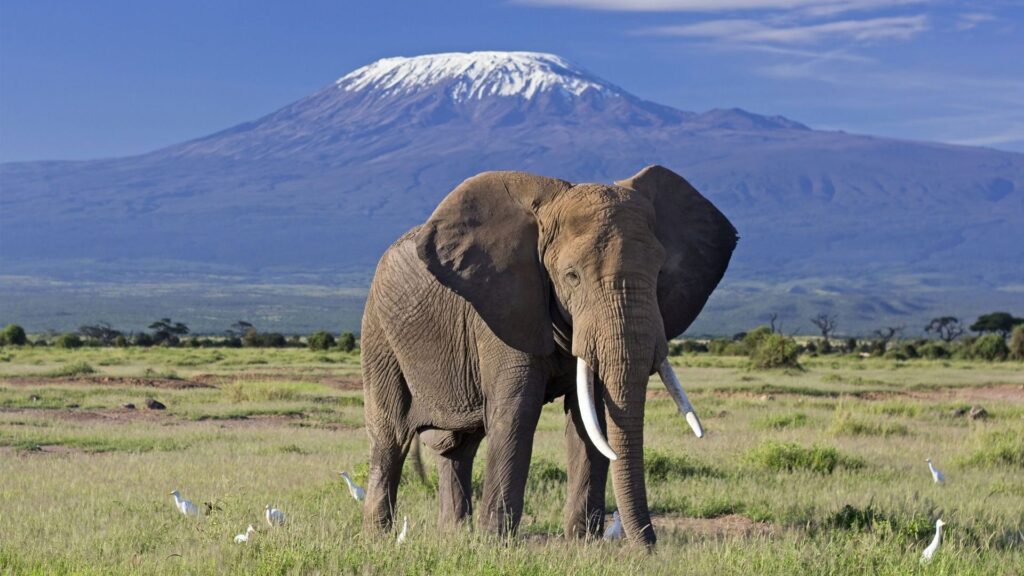
Covering 392 square kilometres near the Tanzanian border, Amboseli is world-famous for its breathtaking views of Mount Kilimanjaro and its large herds of free-roaming, massive-tusked elephants.
- Why Visit: Amboseli offers the best up-close elephant viewing in Africa. The open landscape also makes spotting lions, leopards, cheetahs, buffaloes, and over 400 bird species very accessible.
- Best Time to Visit: Dry seasons offer predictable wildlife viewing near permanent swamps. Early mornings and late afternoons provide the best, clearest views of Mount Kilimanjaro.
- Accessibility: A 4 to 5-hour drive (240 km) southeast of Nairobi. A 4×4 Safari Land Cruiser with a pop-up roof maximizes vantage points.
Samburu & Buffalo Springs – The Untamed Northern Frontier
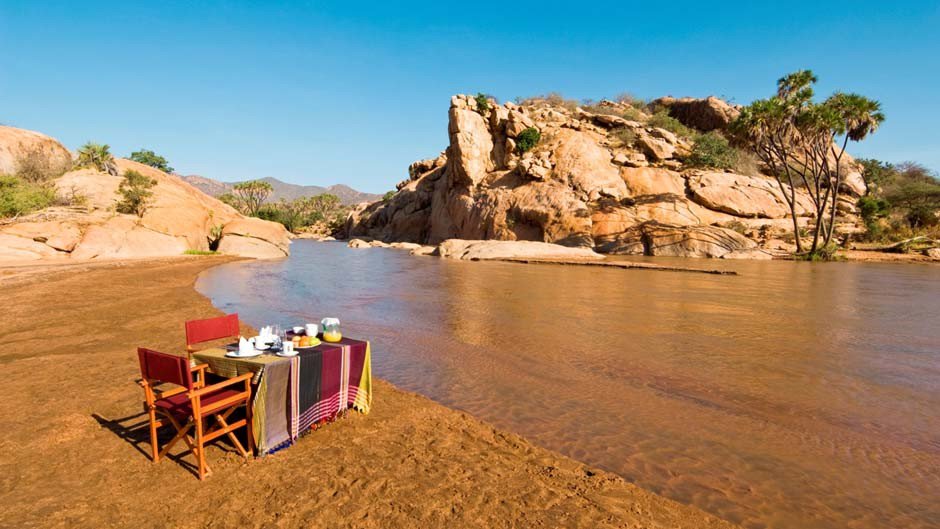
Separated by the Ewaso Nyiro River, these reserves cover over 260 square kilometres of rugged northern terrain, characterized by rocky outcrops, acacia woodlands, and vast semi-arid plains.
- The Special Five: The reserves host uniquely adapted species: Grevy’s Zebra, Reticulated Giraffe, Somali Ostrich, Beisa Oryx, and Gerenuk.
- Why Visit: Enjoy exceptional leopard sightings, large elephant herds, a predator-rich landscape, and authentic Samburu cultural experiences with far fewer tourist crowds.
- Best Time to Visit: Dry seasons are ideal for seeing animals congregate along the river and taking advantage of dramatic lighting for photography.
- Accessibility: A 5 to 6-hour drive (350 km) north of Nairobi. A heavy-duty 4×4 Safari Land Cruiser is vital for this rugged terrain.
Masai Mara National Reserve – Africa’s Ultimate Safari Destination
The 1,510-square-kilometre Masai Mara is Kenya’s most famous wildlife destination, forming part of the massive Serengeti-Mara ecosystem.
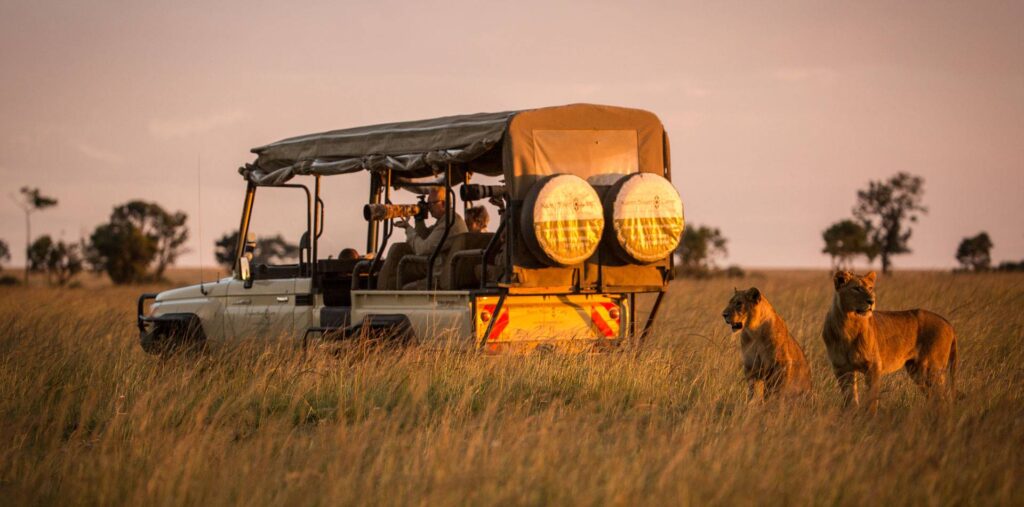
- Why Visit: The Mara supports unparalleled concentrations of wildlife, making it the premier destination to spot the Big Five, huge hippo pods, and dense predator populations.
- The Great Migration: From July to October, more than two million wildebeest and zebras migrate into the Mara, culminating in dramatic and world-renowned Mara River crossings.
- Accessibility: A 5 to 6-hour drive (270 km) southwest of Nairobi, or a 45 to 60-minute scheduled flight from Wilson Airport.
- Recommendation: A top priority for any first-time visitor to Kenya.
Tsavo East National Park – The Wild Red Wilderness
As one of Kenya’s oldest and largest parks (13,747 square kilometres), Tsavo East is renowned for its vast open plains and distinctive “Red Elephants,” coated in red volcanic dust.
- Top Attractions: See the Aruba Dam, the fascinating rapids of Lugard Falls, and Mudanda Rock, an outcrop serving as a vital dry-season drinking spot.
- Accessibility: Between Nairobi and Mombasa, reached by road in 3 to 6 hours. A 4×4 Safari Land Cruiser is highly recommended.
Tsavo West National Park – Lava, Springs, and Volcanic Landscapes
Spanning 9,065 square kilometres, Tsavo West boasts a rugged, mountainous beauty full of volcanic hills, lava flows, and natural springs.
- Top Attractions: Mzima Springs offers underwater hippo viewing; the Shetani Lava Flow presents a massive black lava field; and the Ngulia Rhino Sanctuary provides top-tier rhino tracking.
- Accessibility: Easily reached via the Nairobi-Mombasa highway. Exploring requires a sturdy, reliable 4×4 Safari vehicle.
Plan Your Perfect Route With an Expert
Don’t risk spending your entire holiday stuck in transit on unpaved roads. Map out a seamless route that maximizes wildlife watching over driving. Whether you need a rugged, custom-built 4×4 Safari Land Cruiser or an experienced driver-guide who knows where the prides are hiding, expert planning guarantees an incredible journey.


