
Quick answer
A Kenya safari can cost from around US$150 per person per day for a budget safari to US$2,000 or more per person per day for an exclusive luxury safari. Most travellers will fall somewhere between these two extremes, with the final price depending on the type of accommodation, number of travellers, safari vehicle, season, parks and conservancies visited, length of the safari, and what is included in the quotation.
That is a surprisingly wide range — and there is a good reason for it.
A safari in Kenya is not a single product with a fixed price. A three-night camping safari in a shared vehicle is a completely different travel experience from a private safari for two guests staying in luxury tented camps, flying between destinations and using a dedicated 4×4 Land Cruiser.
This is why you may find one Kenya safari advertised at US$150 per person per day, while another costs US$500, US$800 or even more than US$2,000 per person per day. Both can be genuine Kenya safaris. The difference is what you are actually buying.
For travellers comparing safari quotations, the most important question is therefore not simply “How much does a Kenya safari cost?” It is:
“What does that price include, and what type of safari experience am I getting for my money?”
In this guide, we break down the real factors behind Kenya safari prices in 2026, from budget camping and shared safaris to private Land Cruiser safaris and high-end luxury experiences. We will also look at the cost of a typical seven-day Kenya safari, how season affects prices, what you should expect to be included, and how to compare two safari quotations properly.
Why Can a Kenya Safari Cost US$150 One Day and US$2,000 the Next?
The biggest mistake travellers make when researching safari prices is comparing the headline price without comparing the experience behind it.
Imagine two travellers visiting the Maasai Mara.
The first joins a small group, shares a safari vehicle with other guests, stays in a relatively simple camp and travels during a lower-demand period. Their daily safari cost could be relatively modest.
The second traveller is travelling privately with a dedicated safari vehicle and professional guide, staying in a high-end property inside or near a private conservancy. They may have domestic flights between Nairobi and the Mara, private transfers, premium meals, additional activities and a much higher level of personalised service.
Both travellers are experiencing Kenya’s wildlife, but they are not purchasing the same holiday.
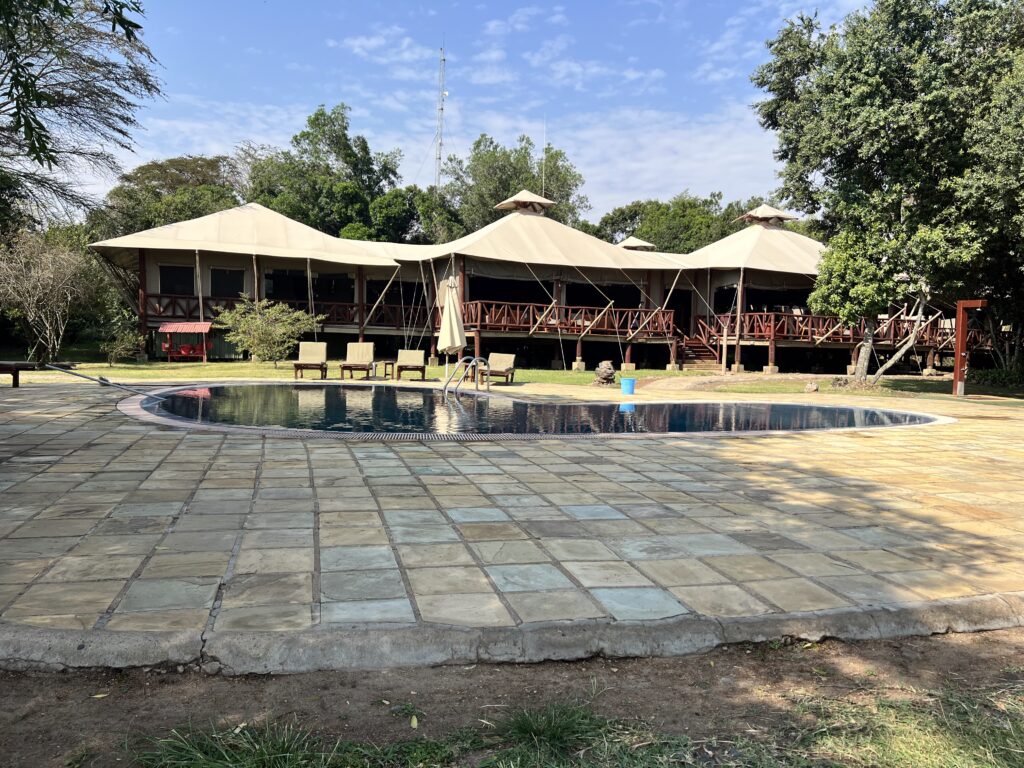
Accommodation alone can create a major difference in price. A basic campsite and an exclusive luxury tented camp operate at completely different price points. Location matters too. A property inside a private conservancy may offer a very different experience — and pricing structure — from a budget property outside a national reserve.
The same applies to transport.
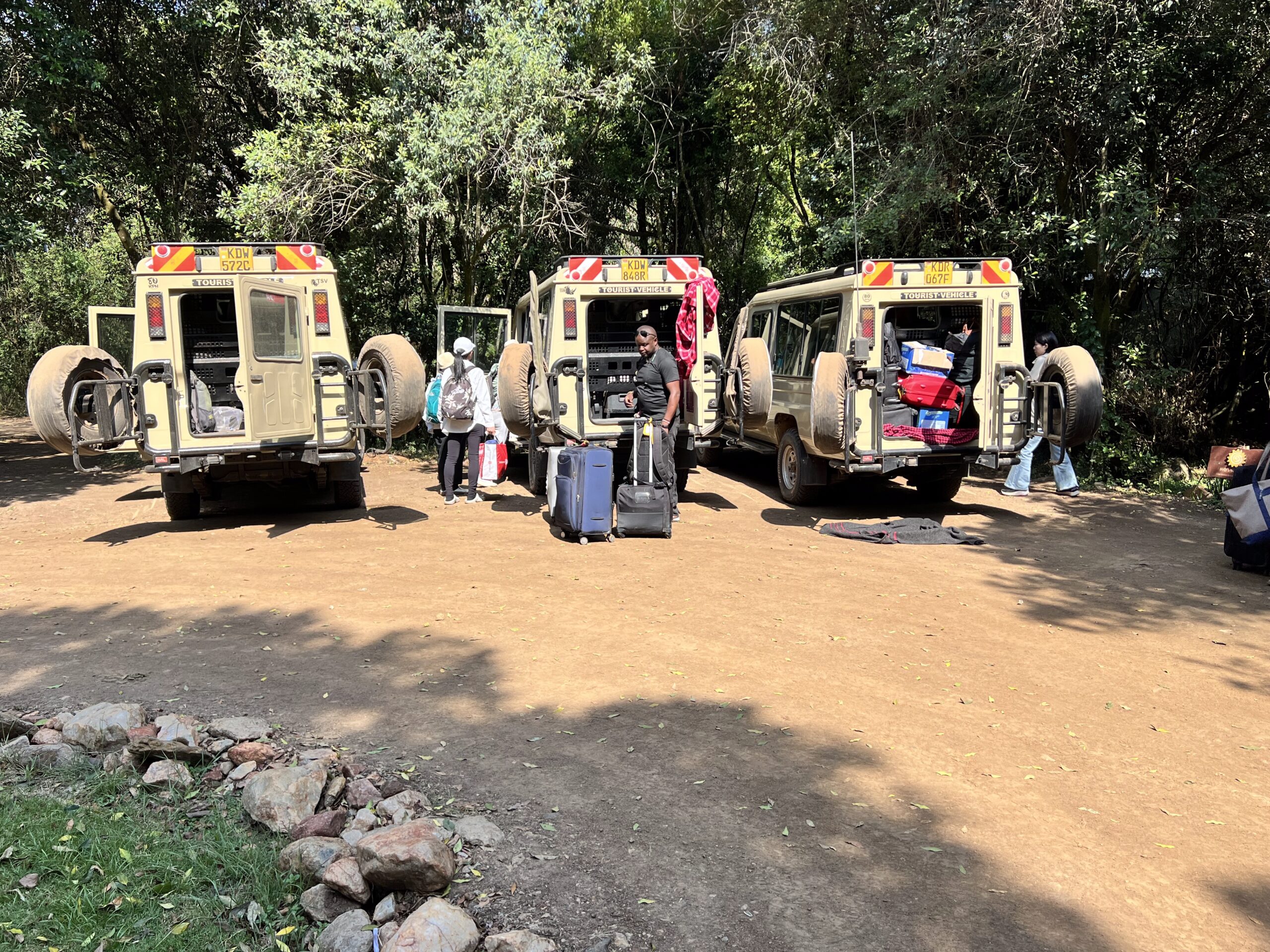
A shared safari van can make excellent sense for travellers who want to keep costs down, particularly when travelling as part of a group. A private 4×4 Safari Land Cruiser, on the other hand, offers a different level of comfort, flexibility and capability, particularly when travelling privately and spending long hours on game drives.
Then there is the question of season.
Kenya does not have one safari price throughout the year. Demand, accommodation availability, wildlife expectations and major travel periods such as Christmas and New Year can all influence what travellers pay. The period that offers the lowest price is not necessarily the period that offers the best overall safari experience, while the most expensive period is not automatically the best choice for every traveller.
This is why a realistic Kenya safari budget needs to be based on the whole safari, rather than a single advertised daily rate.
What Does the US$150–US$2,000+ Range Actually Mean?
At approximately US$150 per person per day, you are generally looking at the budget end of the Kenyan safari market. This is where shared transport, simpler accommodation, camping and careful control of operating costs can make a safari accessible to more travellers.
Move towards the US$250–US$500 per person per day range and you begin to find more comfortable mid-range experiences, better accommodation and, depending on the itinerary and group size, private or higher-quality transport arrangements.
Around US$500–US$1,000 per person per day, the safari becomes increasingly focused on comfort, privacy, premium accommodation and a more personalised experience. This is where many travellers looking for a high-quality private Kenya safari may find themselves, although the exact cost varies considerably according to accommodation and itinerary.
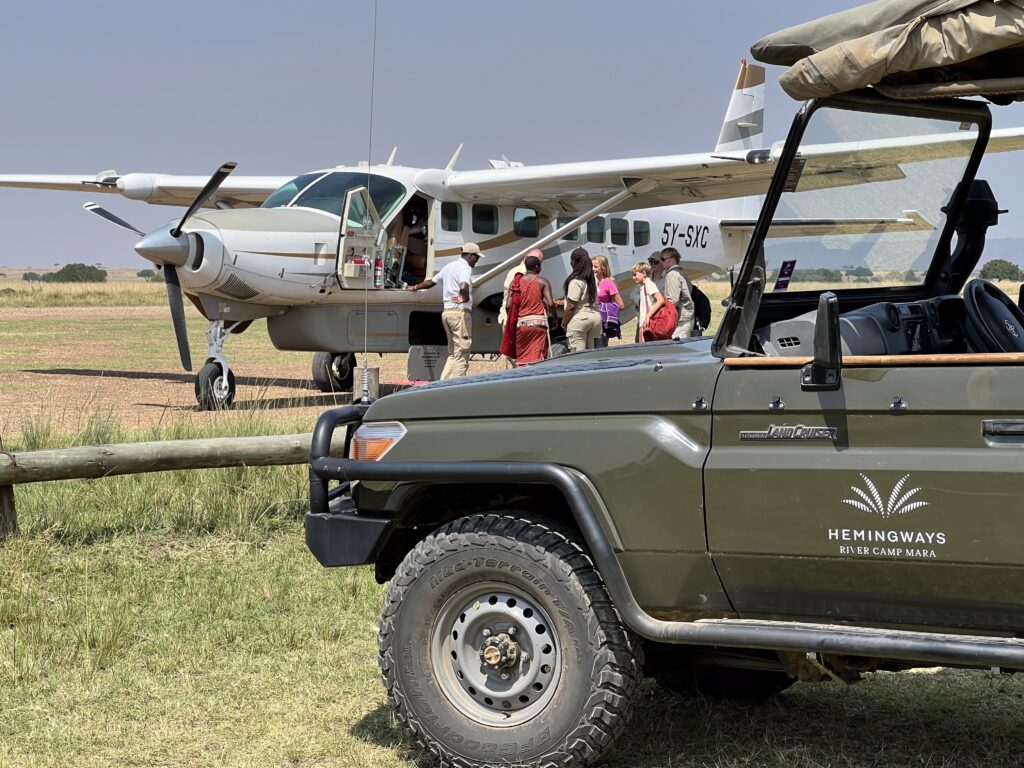
At US$1,000–US$2,000+ per person per day, you are generally entering the high-end and ultra-luxury end of the market. Private conservancies, exclusive camps, fly-in safaris, private vehicles, highly personalised service and premium accommodation can push the cost considerably higher.
These figures should therefore be treated as realistic market positioning rather than fixed tariffs. A safari itinerary can sit outside these ranges depending on the property, season, number of guests, destination and inclusions.
The important thing is to understand why.
So, How Much Should You Budget for a Kenya Safari?
For most travellers, the answer will not be US$150 — and it will not necessarily be US$2,000 either.
A couple looking for a comfortable private Kenya safari may have very different requirements from a backpacker joining a group safari. A family of four can sometimes achieve better per-person transport economics because they are sharing the cost of a private vehicle. Meanwhile, two guests travelling alone during peak season may pay considerably more per person because the fixed costs of the vehicle and guide are spread between only two people.
This is why the number of people travelling together is one of the most important factors in calculating Kenya safari cost per person.
A useful way to think about the Kenyan safari market is not as “cheap versus expensive”, but as a progression:
budget → comfortable → private → luxury → ultra-luxury.
There is no universally correct choice.
The right safari is the one where the vehicle, accommodation, guide, itinerary, season and inclusions match the traveller’s expectations and budget.


